Search
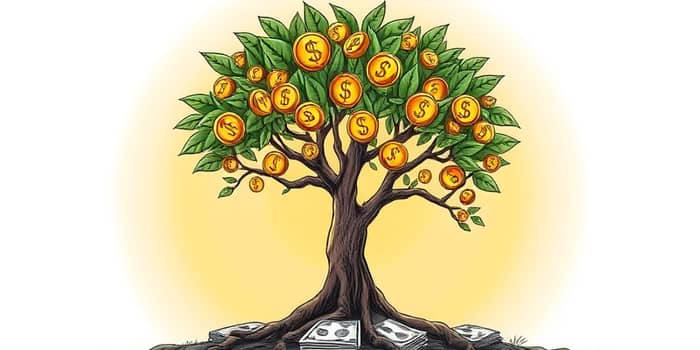
In 2026, dividend income strategies offer retirees and investors stable, inflation-resistant returns and growth without excessive volatility.
As bond yields remain historically low and stock valuations in technology show stretched multiples, dividends emerge as a compelling source of reliable income. With $9.2 trillion in corporate cash reserves at the end of 2025 and central banks signaling possible rate cuts, investors can harness dividend streams to diversify and shield portfolios from unexpected market swings.
Key data points underline this trend:
Retirees with dividend-focused portfolios achieve an average 4.2% annual sustainable yield, protecting principal over time.
Dividend reinvestors outperformed inflation by a 2.3% annual inflation-beating return through March 2026.
International dividend ETFs delivered a 35% total returns in 2025, surpassing domestic peers.
These figures highlight the power of combining yield with underlying growth to support long-term financial goals.
Each strategy carries its own risk profile and return potential. Blending these approaches can create a resilient income stream tailored to your objectives.
Evaluating dividend sustainability requires more than chasing high percentages. Focus on the following metrics and screening criteria:
Additionally, deploy these screening filters to avoid traps:
Assess balance sheet strength and free cash flow coverage.
Prioritize companies with consistent earnings durability and upward trends.
Evaluate historical dividend streaks alongside future growth catalysts.
Factor in share buybacks reducing payout burdens.
For example, a 60/40 income tilt might allocate 60% to core dividend growers and 40% to high-quality high-yield instruments. Adjust weights annually based on valuation and yield shifts.
Navigating these dynamics effectively can boost risk-adjusted returns and smooth income generation through market cycles.
1. Define your risk tolerance and income needs, considering retirement timelines or cash flow goals.
2. Screen for companies and ETFs with payout ratios under 60% and at least 5% dividend growth forecasts.
3. Allocate capital across your chosen strategies, beginning with broad market ETFs (VOO, IVV) and shifting dividends into income-focused vehicles (SCHD, DGRO).
4. Reinvest dividends to harness compounding and outpace inflation by an average of 2–3% per year.
5. Review holdings quarterly, watching earnings updates, balance sheet metrics, and buyback announcements to guard against emerging risks.
Building a sustainable dividend stream in 2026 combines the best elements of yield, growth, and diversification. By prioritizing quality dividend growers over yield alone, maintaining a balanced payout ratio, and diversifying across sectors and regions, you can achieve a reliable 4.2% sustainable yield that outpaces inflation and protects capital.
Whether you’re planning for retirement income or seeking supplementary cash flow, disciplined dividend investing offers a proven path to long-term financial security and peace of mind.
References