Search
Inflation touches every corner of life, from groceries to energy bills, and understanding its nuances can empower you to adapt, plan, and thrive despite rising costs.
As of May 2026, the United States recorded a 3.3% annual inflation rate in March, up from 2.4% in February and January. This acceleration marks a notable shift from the late 2025 lull, when December’s 2.7% figure suggested a gradual return to the Federal Reserve’s 2% target. On a monthly basis, headline CPI rose by 0.9% in March, reflecting persistent cost pressures.
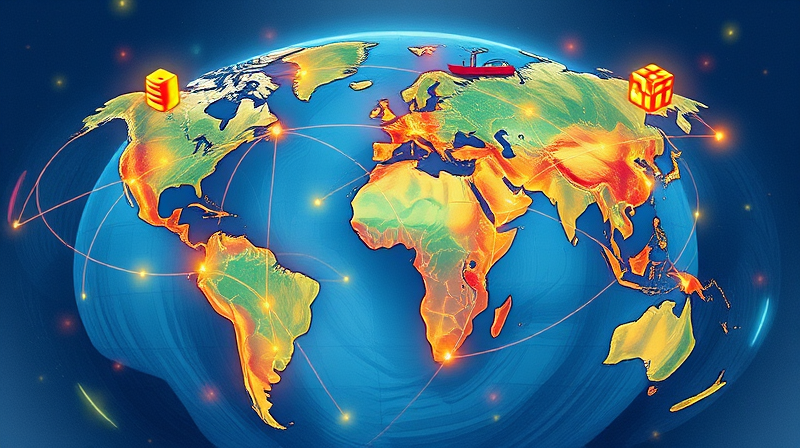
Core measures, which strip out volatile food and energy, tell a complementary story. In December 2025, the Personal Consumption Expenditures (PCE) index stood at 2.9% year-over-year, with Core PCE at 3.0%. These readings underline the underlying price momentum that continues to challenge policymakers. Globally, core inflation is projected at 3.2%, with regional snapshots varying: the U.S. Core CPI is expected near 3.2%, the U.K. at 2.4%, and the Euro Area around 1.9%. Today’s environment demands vigilance from consumers and businesses alike.
Sector-specific data highlight divergent trends: energy prices surged by over 10% between February and March 2026, while food at home inflation hovered at 2.1%. Conversely, food away from home rose by 4.0%, and beef and veal prices climbed more than 20% since mid-2024. These shifts underscore how consumable essentials and services can push headline figures higher, even as certain categories cool off. For many households, these line-item increases translate into difficult choices at the checkout.
To illustrate regional variances and core versus headline measures, consider the table below:
This snapshot reveals an emerging “inflation gap,” with headline pressures in the U.S. outpacing those in Europe. Such divergences influence currency values, trade balances, and monetary policy responses across borders.
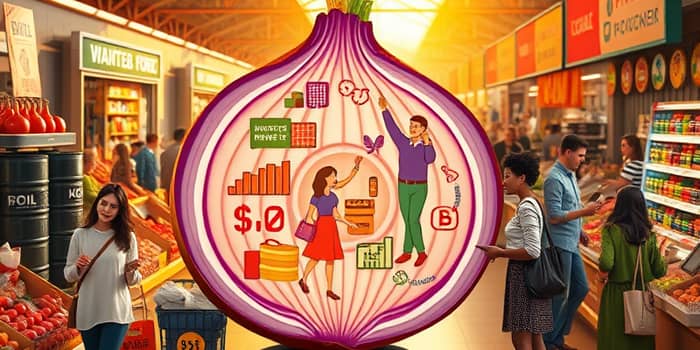
The “inflation onion” framework offers a structured lens for analysis. The outer layer, composed of globally traded commodities like oil, food grains, and metals, is the most reactive to geopolitical tensions, shipping disruptions, and commodity market speculation. For example, Middle East conflicts and port congestions can lead to cost-push inflation, swiftly lifting prices at the pump and on grocery shelves.
The middle layer captures the impact of trade policies and tariffs, particularly on goods imported from major trading partners. Recent tariff hikes on power equipment and raw materials illustrate how such measures can raise input costs for manufacturers, with effects that may pass through to consumers over subsequent months. Though often viewed as temporary, these policies can sustain elevated price levels and complicate the central bank’s inflation-fighting mandate.
At the core lies more stable yet potent drivers: wage growth, rent dynamics, and structural costs in housing and healthcare. When wage pressures persist amid tight labor markets, businesses may adjust prices upward to protect profit margins. Understanding which layer is fueling current trends helps consumers anticipate where price relief may—or may not—arrive.
For households, inflation is more than an abstract percentage; it directly affects purchasing decisions and quality of life. Even modest upticks in energy or grocery bills can lead to significant strains, especially for families living paycheck to paycheck. Studies show that erosion of purchasing power is most acute among low-income households, where essentials compose a larger share of spending.
Consumer sentiment remains anxious; many grapple with fragile household inflation expectations that influence their day-to-day financial choices and emotional well-being.
While inflation may feel relentless, proactive steps can mitigate its impact and unveil new opportunities. Begin with transparent budgeting and by tracking where each dollar goes. This practice can highlight areas for trimming and reinforce resilient budgeting and saving techniques that protect your core finances.
Small changes accumulate: switching to programmable thermostats and energy-efficient appliances can lower utility bills by up to 10%, while meal planning reduces food waste and supermarket visits. Each adjustment reinforces diversified income streams and budgets, transforming passive expenditures into strategic future investments.
To cement long-term stability, automate contributions to savings and emergency funds. By earmarking even 1% of each paycheck for unexpected costs, you build a buffer that reduces reliance on high-interest credit. Engaging in strategic financial planning for inflation means revisiting retirement goals, insurance coverages, and debt-repayment timelines annually.
Together, these practices create a layered defense against future shocks, fostering confidence and expanding your economic toolkit.
Although policymakers anticipate only two rate cuts totaling 50 basis points in 2026, and fiscal deficits may expand beyond 7% of GDP, innovation and policy shifts could alleviate cost pressures. Onshoring production, renewable energy investments, and streamlined supply chains signal a transition toward greater resilience. European data showing moderating goods prices hint at a potential global easing that could ripple across regions.
Importantly, households possess agency. By embracing sustainable, resilient budgeting techniques, staying informed about core versus headline inflation, and seizing community-based solutions, you can turn uncertainty into empowerment. Each informed choice contributes to a narrative of growth rather than scarcity.
Inflation’s story is unwritten. As you navigate this multifaceted landscape, remember that your actions—budgetary, behavioral, and communal—compose a broader tapestry of adaptation and resilience. The challenges are real, but so are the opportunities to forge a secure, prosperous future.
References