Search
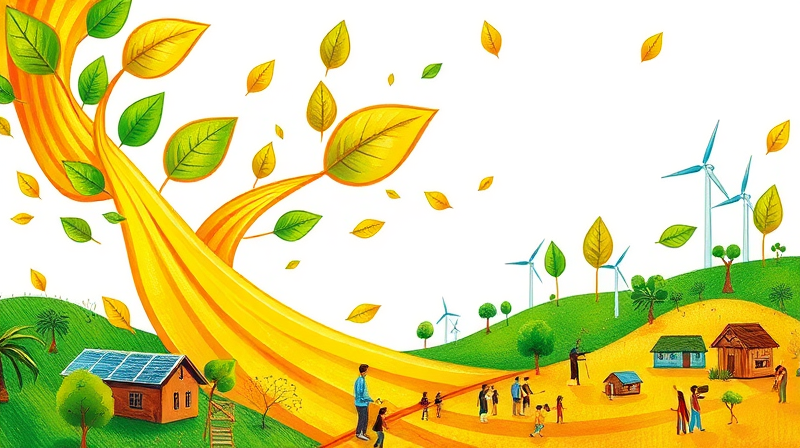
Renewable energy is not merely substituting fossil fuels in power generation; it is fundamentally transforming how utility companies operate, earn revenue, and engage with communities.
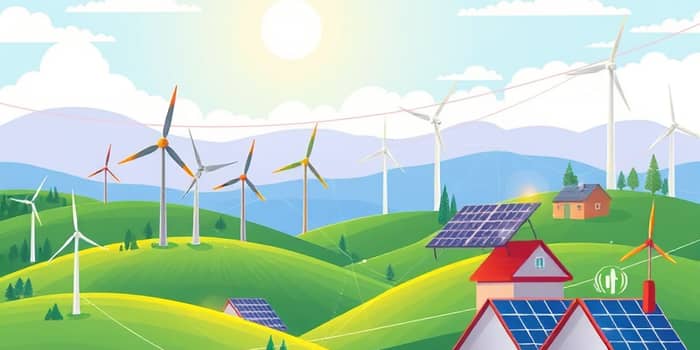
Traditionally, utilities were built around centralized power plants and one-way flow from generation to consumer. Now, rooftop solar arrays, community microgrids, and distributed wind installations are altering that paradigm.
Homeowners with solar panels can reduce grid dependence and export surplus, while commercial microgrids can island themselves during outages. This shift challenges the utility’s historic monopoly and moves the grid toward a networked model.
As more consumers become prosumers, the old pipeline model gives way to a web of generation and consumption points. In many regions, solar rooftops now outnumber traditional feeders on distribution lines, demanding new coordination strategies.
Declining kilowatt-hour sales due to efficiency measures and self-generation create a serious financial imbalance. Utilities still bear high grid maintenance and upgrade costs even as consumption falls.
The so-called “death spiral” risk emerges when rising retail rates prompt more customers to invest in off-grid solutions, further depressing sales and forcing additional rate hikes in a vicious cycle.
Addressing this mismatch requires fresh business models that balance fixed-cost recovery with incentives for clean energy adoption.
Wind and solar output fluctuate with weather and daylight. Utilities must now manage real-time balancing across diverse resources and invest in storage and forecasting tools.
Advanced metering infrastructure and digital monitoring systems allow grid operators to react quickly to supply swings. Battery storage, pumped hydro, and demand response are key to levelling peaks and valleys in output.
Although renewables have low operating costs once installed, their integration raises system-level expenses that must be factored into planning and rates.
To handle bidirectional power flows and variable loads, utilities are shifting capital toward smart grid technologies. This includes sensors, automation platforms, and enhanced cybersecurity protocols.
Frequent extreme weather events add urgency to grid hardening and resilience investments. The result is an accelerated shift in capital spending priorities away from large fossil plants.
Net metering, renewable portfolio standards, and interconnection rules drive the pace of renewable adoption. Effective policies can accelerate clean energy deployment or create bottlenecks if incentives remain misaligned.
Transmission permitting and wholesale market design are critical. In some regions, lengthy approval processes for new renewable projects undermine competitiveness and delay carbon reduction goals.
Balanced regulation must address both the utility’s need to recover infrastructure costs and the consumer’s right to participate in the energy transition.
Investor-owned utilities may act as gatekeepers to protect legacy assets. By controlling interconnection queues and transmission planning, they can influence which projects move forward.
Current incentive structures often reward investment in centralized infrastructure rather than embracing rapid deployment of distributed resources. This dynamic can slow renewable adoption despite clear benefits to society and the climate.
Utilities can evolve into orchestrators of a cleaner energy ecosystem by offering new platform-based services. By aggregating DERs, managing virtual power plants, and coordinating EV charging, they add value beyond commodity sales.
Through such innovations, utilities may transition from being pure energy retailers to strategic energy service providers, unlocking revenue from new digital and resilience offerings.
Wind and solar accounted for 17% of U.S. electricity generation in 2025, producing 760,000 GWh collectively—an increase of 88,000 GWh over 2024. Globally, renewables provided nearly one-third of electricity in 2024 and are poised to reach 65% of global supply by 2030.
Investment in clean energy reached $2 trillion in 2024—$800 billion more than in fossil fuels—fueling 10% of global GDP growth. Employment in renewables rose to 16.2 million jobs in 2023, with net gains projected at 9 million by 2030 under a net-zero pathway.
Utilities stand at an inflection point. They can resist change and preserve the status quo, or they can embrace the decentralized, digital, and flexible energy system emerging today.
Policy reforms should align incentives with clean energy goals, ensuring utilities recover costs while promoting rapid integration of renewables. Investors and regulators must work with utilities to redesign rate structures that support resilience and fairness.
Ultimately, the utilities that succeed will be those that reimagine their role in the energy ecosystem—shifting from centralized generators to dynamic platforms that empower prosumers, manage complexity, and deliver value in a low-carbon future.
References