Search
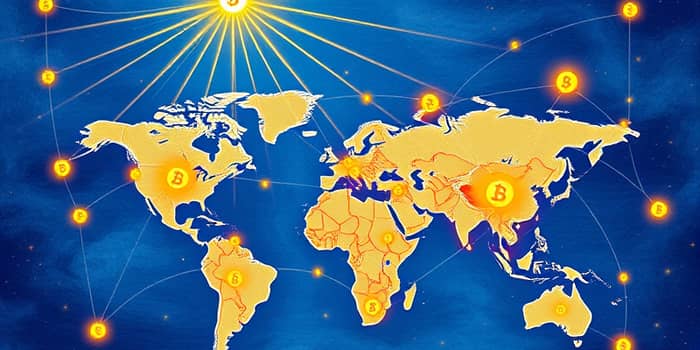
In an era defined by rapid technological disruption, blockchain stands at the forefront of secure, efficient transactions across borders. This article explores how distributed ledger technology is reshaping finance, empowering institutions, and fostering unprecedented cost savings and transparency for participants worldwide.
Blockchain is a revolutionary form of fully peer-to-peer networks without intermediaries. Each block records transactions, and new entries are validated through consensus mechanisms. This structure creates a tamper-proof ledger. The network of nodes stores identical copies of data, making the system resilient to single points of failure.
Originally conceived after the 2008 financial crisis by Satoshi Nakamoto, blockchain introduced a global spreadsheet on volunteer computers that powered Bitcoin as the first major application. This foundation has since evolved, spawning thousands of implementations across industries with diverse consensus algorithms and permission models.
Consensus mechanisms such as Proof of Work and Proof of Stake ensure that all participants agree on the state of the ledger without central authorities. Nodes validate transactions by solving cryptographic puzzles or staking tokens, creating secure consensus without a central authority and mitigating double-spending risks.
According to recent analyses, the blockchain market reached USD 31.28 billion in 2024 and is projected to skyrocket to USD 1,431.54 billion by 2030, reflecting a staggering compound annual growth rate (CAGR) of 90.1% between 2025 and 2030. Financial institutions, driven by the promise of public and private chain interoperability, are leading this expansion, particularly in cross-border settlements.
Implementation studies report up to 42.6% reduction in transaction costs and a 78.3% decrease in processing times for cross-border transactions, illustrating seconds-long transaction finality in markets that once took days.
Companies like GMEX, in partnership with IBM, demonstrate near real-time settlement of traditional and digital assets across platforms. European consortiums such as we.trade show how letters of credit can clear in seconds rather than days, while platforms like DAG Global settle cryptocurrency trades seamlessly across exchanges.
These gains translate into tangible advantages for banks, fintechs, and corporate treasuries, driving reinvention of cross-border payments, trade finance, and capital markets.
Despite its promise, blockchain adoption faces hurdles. Many platforms remain in an early stage, requiring ongoing development of governance frameworks and security protocols. Regulatory uncertainty across jurisdictions can stall projects. Legacy systems within banks and corporations often lack integration pathways for distributed ledgers.
Regulators worldwide are increasingly engaging with blockchain through sandbox programs and policy frameworks, aiming to balance innovation with consumer protection. Advanced security audits, formal verification of smart contracts, and standardized interoperability protocols are emerging to address risks proactively.
Financial services continue to dominate blockchain deployments, with banks, stock exchanges, and asset managers leading the charge. In emerging markets such as Africa and Latin America, blockchain offers pathways to financial inclusion through digital innovation, serving unbanked populations with low-cost services. Central bank digital currencies are moving from pilot phases to production, reshaping monetary policy.
Looking ahead, public-private collaborations will drive interoperable networks, combining permissioned systems with public blockchains for resilience and scale. As DeFi platforms mature, institutional participants will harness decentralized protocols alongside traditional tools. The convergence of tokenized assets, smart contracts, and regulatory frameworks signals a future where blockchain underpins everything from cross-border payments to real-time auditability.
By embracing these trends, organizations can position themselves at the vanguard of finance. The journey demands innovation, collaboration, and adaptability—but the rewards promise to redefine value creation in global markets.
References