Search
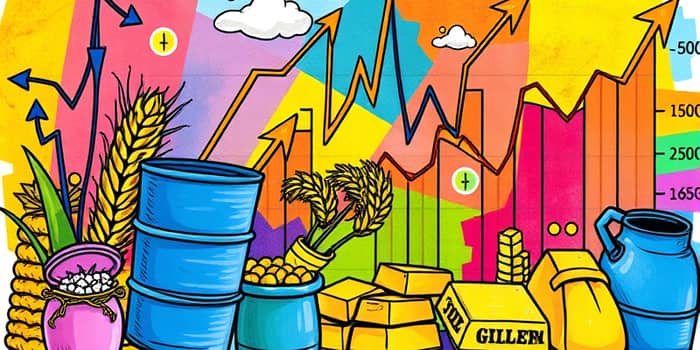
In today’s fast-paced markets, futures contracts offer a structured path to manage price volatility and seize growth opportunities. Whether you are an agricultural producer, an equity manager or an avid speculator, understanding these powerful instruments can transform uncertainty into strategic advantage.
By combining foundational knowledge with practical techniques, this guide empowers you with actionable insights. Let’s embark on a journey to harness the full potential of commodity and index futures.
At their essence, futures contracts are standardized agreements to buy or sell a specified quantity of a commodity or financial asset on a predetermined date. These instruments have evolved from early agricultural markets to encompass energy, metals, currencies and major stock indexes.
Lock in prices for producers and reflect collective market consensus every trading day. Exchanges publish transparent pricing, volume and open interest data, fostering price discovery through continuous trading.
Commodity futures derive value from three key components: spot price returns, roll yield and collateral returns. Understanding each element clarifies how returns can differ from raw commodity price moves.
The relationship between spot and futures prices creates two distinct curve states:
When markets are in contango, investors may experience eroded returns from negative roll yield. Conversely, backwardation can boost total performance through positive roll yield in a backwardated curve.
The full return framework includes:
Commodity indexes bundle multiple futures into a single measure, offering broad diversification across sectors like energy, agriculture, metals and livestock. These benchmarks employ rules for weighting, rolling and rebalancing to maintain consistent exposure.
Investing through index-linked products can help you unlock new diversification benefits and reduce single-commodity risk. Key factors to evaluate when choosing an index include breadth, weighting methodology, roll schedule and governance criteria.
Beyond fundamentals, technical indicators offer timing signals for entries and exits. By pairing trend-following tools with oscillators, traders can adapt to both trending and choppy markets.
Effective trading combines multiple signals to reduce false outcomes and align with prevailing market direction.
While futures offer powerful leverage, they also magnify losses. Successful practitioners emphasize disciplined risk control, clear stop levels and position sizing guidelines.
Hedgers use futures to stabilize revenues or input costs, while speculators seek profit from directional moves. Regardless of intent, always monitor liquidity metrics—average daily volume, open interest and bid-ask spreads—to ensure ease of trading.
Combine trend and oscillators for all market conditions, and consider a constant maturity approach to balance roll yield and spot exposure. Regularly review fundamental reports—employment data, inventory releases and CFTC positioning—to stay informed about shifting supply and demand forces.
By mastering these tools, you gain the confidence to navigate volatility, optimize portfolios and turn market fluctuations into opportunity. Futures contracts are not just instruments—they are pathways to strategic excellence in commodity and index investing.
References