Search
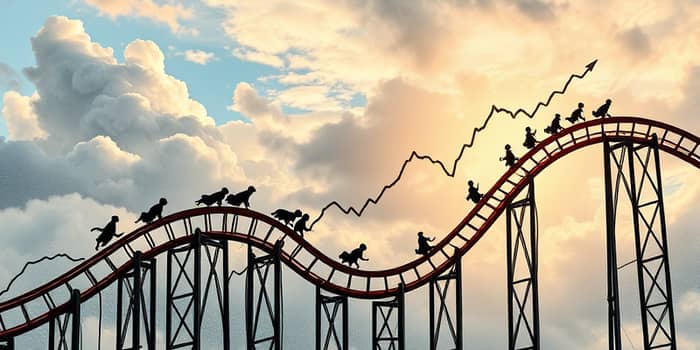
Financial markets often resemble living organisms—expanding with exuberance, contracting with fear, and revealing the deep-seated emotions of their participants. Though true bubbles occur in less than 0.5% of market periods, investors routinely overestimate crash risks by up to 3000%, illustrating a profound gap between perception and reality.
By understanding the forces that inflate bubbles and precipitate crashes, you can develop practical defenses and maintain perspective during financial storms.
At the heart of every market bubble lies a complex interplay of beliefs and emotions. When participants convince themselves that they possess superior insights or that prices will rise forever, rational valuations give way to speculative fervor.
These factors conspire to override sober analysis, prompting speculators to borrow heavily and chase quick profits. As long as prices climb, doubt is suppressed, and caution takes a back seat.
When markets turn, the same human tendencies that inflate bubbles accelerate their collapse. Emotions shift from exhilaration to panic, and decisions made under duress can cascade into a sell-off of historic proportions.
Once downward momentum builds, falling prices deter potential buyers, generating a vicious cycle of selling pressure and steep drops.
Beyond psychology, certain economic conditions magnify market swings. Excessive margin debt, inflated P/E ratios, and easy monetary policies can inflate valuations to precarious levels. Conversely, rising interest rates, liquidity shortages, and geopolitical shocks can shatter confidence overnight.
Automated trading systems and programmatic stop-loss orders can trigger rapid sell-offs without human restraint. In globalized markets, local disturbances reverberate quickly, turning minor corrections into full-scale crises.
Examining past bubbles and crashes reveals consistent patterns of exuberance followed by abrupt reversals. The table below highlights key psychological triggers and structural factors for major market episodes.
Markets exhibit paradoxical traits: booms carry both opportunity and anxiety, and rational arbitrageurs often cannot correct mispricings before a bubble bursts. Nonetheless, deliberate reflection and disciplined processes can build resilience.
Regulators and investors alike benefit from acknowledging emotional drivers. Circuit breakers, margin requirements, and clear communication can moderate speculative excesses and ease panic during downturns.
By combining historical insight with practical safeguards, market participants can navigate turbulent times with greater confidence and composure.
Ultimately, bubbles and crashes reflect the human condition: driven by hope, fear, and the perpetual struggle between rational analysis and emotional impulse. Embracing that reality empowers you to weather storms, seize opportunities, and cultivate lasting financial resilience.
References