Search
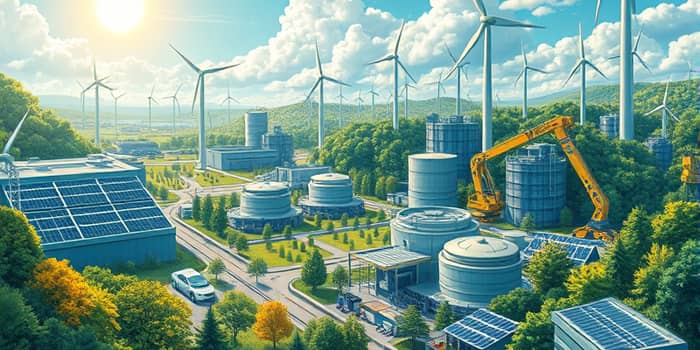
As global demand for sustainable solutions intensifies, industries are embracing green technologies to reduce emissions, conserve resources, and drive innovation. This article explores the transformative power of these advancements and offers practical insights for businesses ready to embark on a greener path.
Green technologies encompass a broad range of innovations designed to minimize environmental harm and waste while optimizing production processes. These solutions span renewable energy, advanced materials, and digital tools that collectively foster sustainable resource use across systems.
Within manufacturing, logistics, energy, and agriculture, green technologies focus on two key objectives: reducing carbon footprints and enhancing operational efficiency. By integrating Internet of Things (IoT) sensors, artificial intelligence, and resource management programs, companies can closely monitor consumption and automatically adjust to prevent unnecessary energy spikes.
Several breakthroughs have emerged as pillars of industrial sustainability. Below is a curated list of the most impactful green technologies shaping industry today:
Adopting eco-innovations drives measurable improvements in air quality, water conservation, and waste reduction. Smart sensors can monitor emissions in real time, enabling rapid corrective actions that protect ecosystems and communities.
Advanced manufacturing techniques, such as lightweight component fabrication, reduce material consumption and shipping loads. Meanwhile, renewable energy installations—solar panels integrated into building facades and offshore wind farms—deliver continuous clean power generation that replaces fossil fuel dependence.
Investing in green technologies not only safeguards the planet but also enhances profitability. Companies report lower operational costs through reduced energy and maintenance bills, while improved efficiency shortens production cycles and increases output quality.
Financial metrics underline this impact:
These figures reflect a broader trend: renewable energy costs continue to fall, and innovative financing models help organizations adopt green solutions with minimal upfront capital barriers.
Beyond environmental and economic gains, green technologies foster healthier communities and elevate brand standing. Cleaner air and water translate to better public health outcomes, especially in regions with industrial concentration.
Consumers and investors increasingly favor companies with robust sustainability strategies. By openly sharing environmental data and achievements, businesses build trust with stakeholders worldwide and position themselves as industry leaders.
Several organizations have successfully implemented green technologies with remarkable results:
Precision farming initiatives use IoT sensors and AI analytics to reduce water and fertilizer usage by up to 30%, while boosting crop yields. In manufacturing, automated cobots have cut downtime by 25% through predictive maintenance, saving thousands in maintenance costs.
Energy producers in China are scaling up green hydrogen facilities, supplying clean fuel to trucking fleets and industrial plants. These projects demonstrate that with the right policies and investments, transformative change is achievable at scale.
Looking ahead, several trends will further accelerate the green transition:
These developments point to a future where industrial operations are seamlessly powered by renewable sources, with digital intelligence guiding every resource decision.
Despite undeniable progress, obstacles remain. High initial costs, regulatory complexities, and grid constraints can slow adoption. Ensuring equitable access to green innovations also demands thoughtful policy and investment strategies.
Nevertheless, the long-term benefits far outweigh these hurdles. By embracing a circular economy mindset and fostering cross-sector collaboration, industries can achieve net-zero targets by mid-century and unlock new revenue streams.
In conclusion, green technologies represent both a moral imperative and a business opportunity. Companies that lead this transformation will not only mitigate climate risks but also thrive in an economy increasingly defined by sustainability. The time to act is now—invest in innovation, partner for impact, and champion a greener industrial future.
References