Search
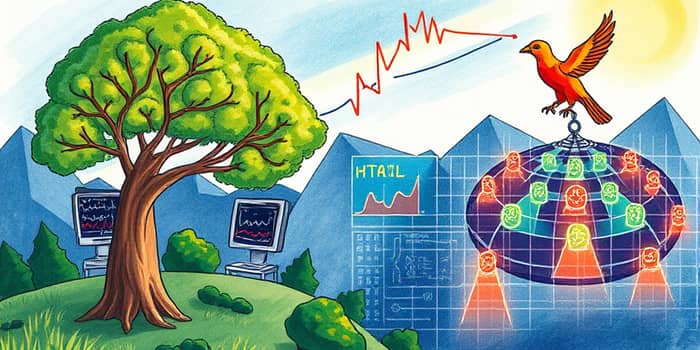
In a world of escalating complexity, being able to detect hidden threats before they fully materialize can mean the difference between resilience and crisis. The sentinel strategy offers a framework to harness leading indicators of trouble in healthcare, environment, digital security, and human rights.
From rainforests to ICU wards, sentinel approaches empower organizations to foresee risks and respond swiftly.
A sentinel strategy is a deliberate approach to place monitoring systems or sentinel entities where weak signals emerge first. Unlike lagging measures—outcomes that reflect damage already done—sentinel systems focus on subtle shifts that precede major events.
Key distinctions:
Early warning vs early response emphasizes the value of detecting risk factors and activating countermeasures before crises escalate. By combining data, analytics, and human judgment, sentinel strategies trigger alerts that spur mitigation, evacuation, or clinical intervention well in advance of full-blown emergencies.
Across domains, effective sentinel systems share a generic architecture that ensures comprehensive risk monitoring and timely action.
Strategic frameworks like Rita McGrath’s “Watching Around Corners” can enrich sentinel design:
In the realm of human security, The Sentinel Project applies sentinel strategies to prevent mass atrocities. Their Early Warning System (EWS) identifies “situations of concern” using a continuous cycle of risk assessment, process monitoring, vulnerability analysis, and forecasting.
By combining geospatial tagging, social media feeds, and on-the-ground reporting, this sentinel model delivers actionable intelligence long before violence erupts.
The UN’s “Early Warnings for All” initiative aims to cover every person on Earth with people-centered multi-hazard EWS by 2027. A centralized dashboard tracks progress against key pillars, driving accountability and resource allocation.
This global sentinel strategy emphasizes standardized indicators and interoperability:
1. Global indicators gauge end-to-end early warning availability based on official datasets.
2. Implementation indicators measure performance across four pillars: risk information, hazard monitoring, warning dissemination, and response capability.
3. Country capacity indicators assess baseline early warning infrastructure, starting with hazard forecasting and expanding to all functions.
Continuous enhancement of the dashboard fosters a dynamic maturity index for early warning, ensuring that even the most remote villages benefit from timely alerts.
In the corporate sphere, digital sentinel systems like ACK3 Sentinel™ monitor online ecosystems for reputational, security, and operational threats. By scanning social media, forums, and news outlets 24/7, these platforms detect emerging disinformation campaigns, supply chain disruptions, or cyber intrusions.
Core elements include:
This hybrid approach yields real-time intelligence for rapid response, safeguarding corporate reputation and operational continuity.
Whether protecting patients in an ICU, preventing ecological collapse, countering disinformation, or averting genocide, the sentinel strategy provides a universal blueprint for early detection and response.
Key takeaways for practitioners:
By embedding sentinel thinking into organizational culture, leaders can cultivate resilient systems that see trouble coming—transforming uncertainty into opportunity and safeguarding communities worldwide.
References