Search

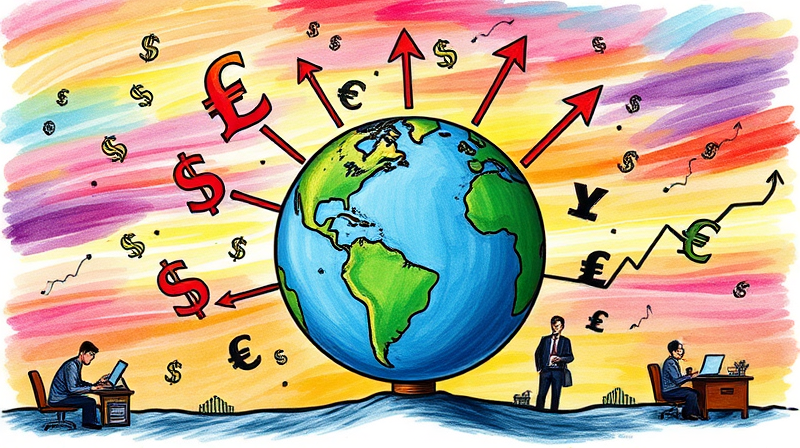
Commodity supercycles are multi-decade pricing phenomena that shape global economies and influence policy decisions. Unlike typical booms and busts, supercycles extend well beyond business-cycle horizons, reflecting structural shifts in supply, demand, technology, and geopolitics. By examining their definitions, historical episodes, drivers, and implications, we can gain a clearer understanding of how these prolonged price movements unfold and what they mean for investors, governments, and societies.
Before diving into history, it is essential to distinguish normal commodity cycles from supercycles. Cycles span roughly six years peak-to-peak, driven by inventory fluctuations, monetary policy changes, and short-term demand shocks. In contrast, supercycles persist for ten to thirty years and involve synchronized movements across energy, metals, and agricultural markets due to fundamental shifts in global growth regimes.
Academic research identifies four major non-oil supercycles from the mid-19th century to 2010. Each lasted three to four decades and exhibited significant departures from long-term real-price trends. While nominal data can mislead, real indices deflated by consumer-price measures reveal these prolonged peaks and troughs.
The amplitude of each supercycle—measured as the percentage deviation above or below trend—illustrates how sustained shifts in demand and supply can dominate market narratives for decades.
Understanding what powers supercycles requires looking beyond price charts to the forces reshaping production and consumption. Scholars emphasize structural shifts in global demand such as large-scale industrialization in emerging economies and policy-driven supply constraints.
Moreover, supply responses to price spikes—often involving multi-year lead times for new mines or infrastructure—can prolong or intensify supercycles when investment booms overshoot long-run demand.
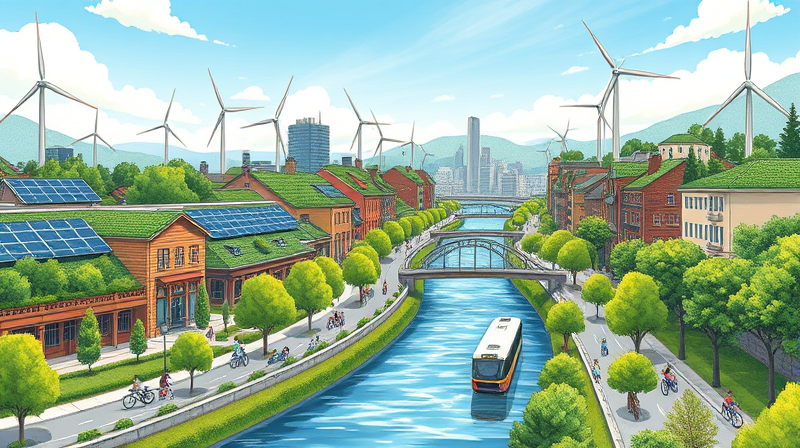
In the 2020s, some analysts argue that we are entering a new supercycle fueled by the global shift toward renewable energy and critical minerals. Proponents highlight massive infrastructure investments in wind, solar, and battery technologies that could keep prices of copper, lithium, and nickel elevated for decades.
Critics counter that recent commodity rallies are largely cyclical, driven by post-pandemic rebounds, geopolitical tensions, or weather-related crop shortfalls rather than enduring structural change. They urge caution, noting that many green projects face financing hurdles and technological uncertainties that could cap price gains.
Whether the next supercycle takes hold or not, stakeholders must prepare for significant price volatility and potential long-term trends. For investors, diversification across commodities and geographies can mitigate concentrated risk. Policymakers should consider strategic reserves, supply chain resilience, and sustainable development goals.
By acknowledging the distinct nature of supercycles and integrating long-run data into decision-making, market participants can better anticipate opportunities and challenges.
Commodity supercycles represent prolonged price deviations that reflect deep transformations in the global economy. From the railways of the 19th century to postwar rebuilding and the China surge, each episode offers lessons about the interplay between demand, supply, and policy. As we debate whether a new green-transition-driven supercycle is upon us, understanding historical patterns and structural drivers remains essential for crafting resilient strategies in an ever-evolving market landscape.
References