Search
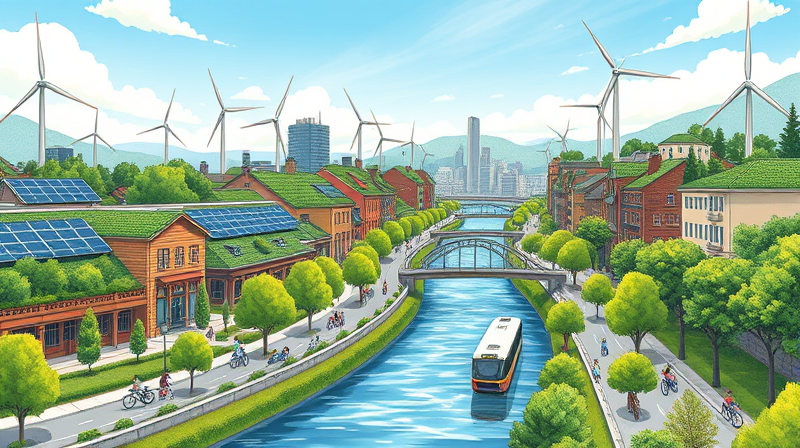
As the planet faces mounting environmental challenges, the role of finance in shaping our future has never been more critical. Green finance channels capital toward projects that protect ecosystems, reduce emissions, and promote resilient communities. By aligning monetary flows with sustainability goals, green finance becomes a powerful engine for inclusive growth and climate action.
In this article, we explore core definitions, key instruments, regional developments, challenges, and the outlook for green finance. We also highlight practical steps for businesses, investors, and policymakers to accelerate the transition to a low-carbon, sustainable economy.
Green finance refers to any financial activity—loans, bonds, equity, insurance, funds—that supports projects with positive environmental impacts. These include renewable energy, energy efficiency, pollution control, biodiversity conservation, and circular economy initiatives.
Sustainable finance takes a broader view, integrating environmental, social, and governance (ESG) considerations into investment decisions. It aims to foster long-term economic growth, social well-being, and environmental protection, ensuring that capital flows are aligned with the UN Sustainable Development Goals.
Transition finance bridges the gap for high-emission sectors or companies that are not yet fully green but are making measurable progress toward climate neutrality. It funds intermediate steps—upgrading production methods, improving energy efficiency, or adopting cleaner technologies—to enable a step-by-step reduction in environmental footprint.
The momentum behind green finance is rooted in international agreements and national strategies:
Governments and multilateral institutions are strengthening regulations, deploying green taxonomies, and offering incentives to crowd in private capital. At the same time, central banks and regulators integrate climate risks into monetary policy and financial stability analyses, further embedding sustainability into the core of the financial system.
The green and sustainable finance market has seen unprecedented expansion, driven by investor demand, policy signals, and innovative instruments.
In the euro area, sustainable debt securities issuance has more than tripled over four years, reflecting robust demand for green, social, and sustainability-linked bonds. Meanwhile, China’s outstanding green loans—approximately USD 4.9 trillion by Q3 2024—account for nearly 14% of total bank lending, with major allocations to clean energy projects and sustainable infrastructure.
Despite variations in definitions and data sources, the overall trend is clear: private capital is rapidly flowing into environmentally beneficial projects worldwide, creating new opportunities for growth and innovation.
Green finance offers a diverse toolkit to meet different needs:
Other mechanisms include public-private partnerships, green securitisation, and blended finance structures that combine concessional public funding with private investment. These approaches help de-risk projects, attract institutional investors, and scale up finance in emerging markets.
Despite progress, several barriers impede the full potential of green finance:
To overcome these challenges, stakeholders can take practical steps:
With global sustainable finance markets growing at a projected CAGR of nearly 20% through 2034, the opportunities for impact are vast. Emerging sectors such as green hydrogen, nature-based solutions, and carbon markets are attracting fresh capital and driving innovation.
Corporate leaders can integrate ESG considerations into core strategies, while financial institutions can develop tailored products for transition finance. Governments and regulators have a pivotal role in setting clear policies, incentivising green investment, and safeguarding against greenwashing.
Green finance is not merely a niche segment of the financial markets—it is the blueprint for a resilient, equitable, and low-carbon future. By mobilising public and private capital around shared environmental goals, we can drive sustainable development, create green jobs, and protect vulnerable communities.
Now is the time for collective action. Investors, businesses, policymakers, and civil society must collaborate to scale up green finance solutions. Together, we can power a global transformation that leaves no one behind and safeguards the planet for generations to come.
References