
Search
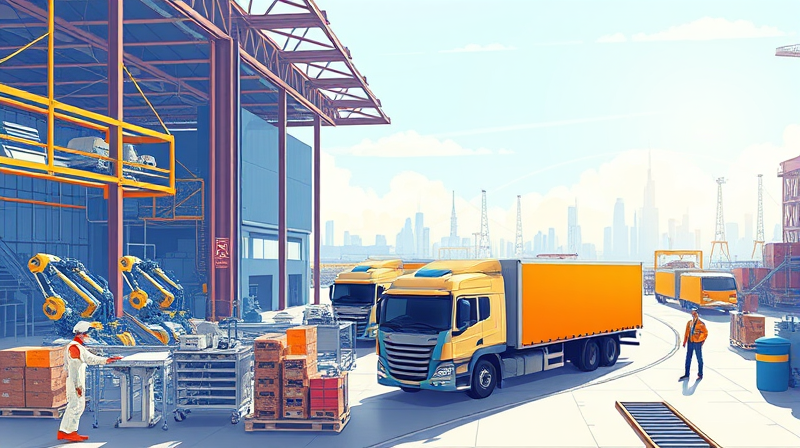
As global events reveal vulnerabilities in extended production networks, companies and governments are turning their gaze inward. Supply chain reshoring—bringing previously offshored manufacturing back to the home country manufacturing base—promises not only economic benefits but also a pathway toward greater resilience and adaptability.
Reshoring, sometimes called onshoring, is the process of relocating manufacturing or assembly operations back to a company’s domestic territory after having moved them overseas. This shift can be full-scale, with entire facilities transferred, or partial, focusing on critical components, final assembly, or packaging.
Unlike offshoring, which seeks the lowest labor costs abroad, reshoring emphasizes shorter supply chains that can better withstand disruptions from pandemics, trade disputes, or environmental regulations. It often complements nearshoring—moving activities to nearby friendly countries—but centers on the strategic goal of reducing reliance on distant production hubs.
Reshoring is no longer theoretical. Research indicates significant job gains and investment flows. According to the U.S. Reshoring Initiative, 2025 is projected to see 174,000 new jobs created in domestic manufacturing. Over the past decade, announced reshoring and related foreign direct investment have cumulatively exceeded 2.25 million jobs.
In Europe, manufacturers in advanced and green-technology sectors are increasingly localizing production to enhance control, reduce tariffs, and meet stringent regulatory standards like the EU’s Carbon Border Adjustment Mechanism (CBAM).
Reshoring does present challenges. Upfront capital expenditures for new or upgraded facilities can be substantial. Companies must navigate skilled labor shortages in certain manufacturing disciplines, requiring investment in training and workforce development.
Moreover, domestic suppliers of raw materials or components may be limited, leading to initial bottlenecks. Organizations must undertake comprehensive Total Cost of Ownership (TCO) analyses to balance higher wage rates against savings in logistics, inventory, and risk mitigation.
Governments worldwide are crafting industrial policies to attract repatriated manufacturing. In the United States, government incentives and support under the CHIPS Act and Inflation Reduction Act have funneled tens of billions into semiconductor fabs and clean energy facilities.
European nations deploy grants, tax breaks, and infrastructure improvements to retain or reshore high-value industries, especially in green technologies and digital innovation. Asian economies, recognizing the dual benefits of domestic resilience and export diversification, are also offering subsidies to repatriate critical production segments.
Supply chain reshoring represents more than a cost-optimization tactic; it is a strategic commitment to sustainable production practices and national industrial vitality. By balancing investment in advanced manufacturing, workforce development, and automation, companies can unlock new competitive advantages.
Policy support continues to evolve, offering unprecedented opportunities for firms that prioritize domestic operations. Ultimately, reshoring fuels economic growth, secures critical supply lines, and fosters innovation—ensuring businesses and communities thrive in an uncertain global environment.
References