
Search
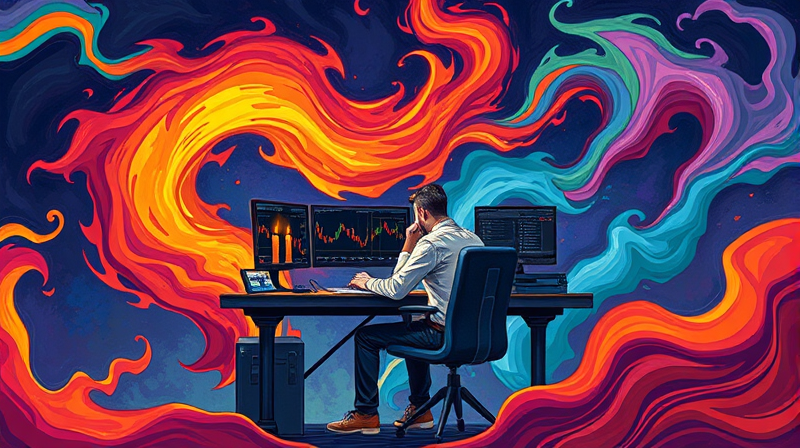
In the fast-paced world of markets, mastering your mind can be the ultimate edge. This article explores how mental and emotional factors influence every trade, and offers concrete strategies to stay disciplined and profitable.
Traditional finance assumes traders act as logical actors. In reality, emotions like fear, greed, and regret constantly pull decisions off course. Behavioral finance combines psychology and economics to reveal why investors often deviate from rationality.
Research shows that systematic deviations due to biases cause bubbles, crashes, and momentum surges. When markets shift unpredictably, your true advantage is not just strategy, but your ability to recognize and manage your own mind.
Cognitive biases are subconscious shortcuts that help process information but sacrifice accuracy. In trading, they can derail your analysis and lead to poor entries or exits. Key biases include:
Imagine a trader who refuses to cut a losing position because the entry price feels sacred. That’s anchoring in action, and it can devastate returns if left unchecked.
Beyond thinking errors, raw emotions often drive impulsive trading. Recognizing these emotional states is the first step toward control:
When the market runs against you, fear can paralyze. Conversely, a winning streak can breed overconfidence and excessive risk-taking. Both extremes erode consistency.
Effective traders build habits, not rely on willpower alone. Below are proven methods to outsmart your own mind:
By converting subjective feelings into objective rules, you reduce the chance that a sudden spike of fear or greed will alter your disciplined approach.
Kahneman and Tversky’s classic studies found losses weigh roughly twice as heavily as gains. In a survey of 1,000 active traders, 68% admitted to moving stops in the heat of emotion, while only 22% documented their rationale.
Consider a trader who implements a breathing routine before each session. They report 30% fewer impulsive exits after market shocks. Another study shows that journaling reduces emotional trades by 25%, translating into a 12% improvement in end-of-day P&L consistency.
Markets will always challenge your psychology. Yet by identifying both cognitive shortcuts and raw emotions, and by adopting structured, rule-based approaches, you can build unshakeable discipline.
Remember, consistency is born not only from charts and indicators but from the strength of your mindset. Embrace continuous self-reflection, refine your techniques, and let emotional mastery become your greatest trading advantage.
References