
Search
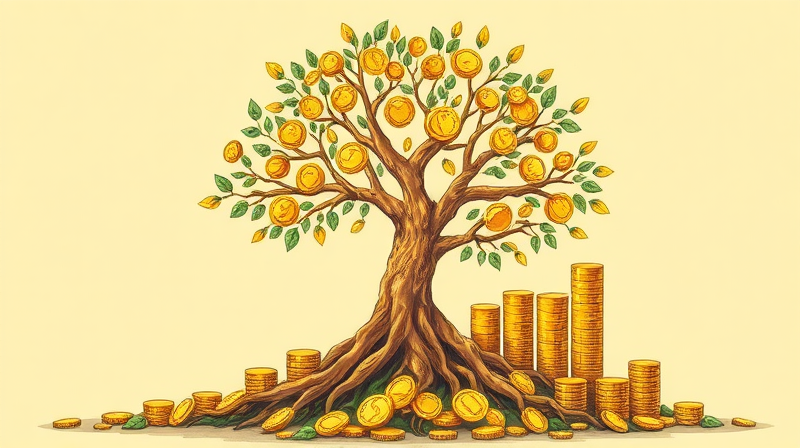
Many investors marvel at how fortunes are built over decades, but few understand the process that makes it possible. At its core, compounding means earning returns not only on your original principal but also on the returns that have accumulated over time. When you combine this with regular contributions and unwavering discipline, you unlock what we call serial compounding. This approach is more than a single investment or a one-time event; it is a methodical, ongoing process that magnifies small actions into substantial wealth.
Traditional compounding refers to the act of reinvesting gains so the next period’s returns are calculated on an ever-growing base. Serial compounding takes this concept further by layering repeated actions: sustaining your investment over long periods, making consistent contributions, and reinvesting all earnings. It embodies the continuous, repeated application of compounding, enabling an investor to harness the power of exponential growth inherent in financial markets.
To illustrate, imagine investing a lump sum today and never touching it. While this yields compounding benefits, it lacks the added multiplier of ongoing contributions. By contrast, serial compounding is akin to a series of compounding events strung together, each building upon the last. Over time, the effects stack in a way that can turn modest savings into significant portfolios.
Compounding performance hinges on four principal drivers:
Each driver plays a unique role. Without time, even high returns cannot work their magic fully. Without reinvestment, gains sit idle. And without new contributions, compounding relies solely on the initial principal. Serial compounding demands that you optimize all four elements to realize the greatest benefits.
Concrete numbers bring clarity to abstract concepts. Consider how $10,000 grows over 30 years at different annual return rates:
Beyond these lump-sum examples, serial contributions further magnify results. Investing $300 monthly at an 8% annual return for 30 years can yield approximately $450,000, a powerful testament to how small, regular inputs can accumulate. This snowballing effect of growth illustrates why discipline and consistency are as vital as the rate itself.
Another intuitive tool is the Rule of 72, which estimates doubling time by dividing 72 by the annual return rate. At 6%, wealth doubles in about 12 years; at 8%, doubling occurs in nine years. Each time your assets double, the next phase of growth begins from a higher starting point, leading to what investors call the back-loaded exponential growth phase.
Consider a real-world example: two children receive an identical savings plan with monthly contributions. Child A invests $100 per month in a simple cash account earning no interest, ending up with $18,000 after 15 years. Child B invests $100 per month in a diversified fund returning 5% annually, achieving nearly $30,000 in the same period—over 60% more capital simply by reinvesting returns.
Understanding the timeline of growth can help manage expectations and maintain motivation:
1. Foundation Phase (Years 1–10): During this period, account balances grow primarily through contributions, and returns appear modest. The challenge is maintaining commitment when gains seem small. Consistency lays the groundwork for later acceleration.
2. Acceleration Phase (Years 11–20): Compounded returns start to outpace new contributions. Yearly gains become more visible, reinforcing the value of long-term investing. Watching interest generate interest fuels investor confidence.
3. Exponential Phase (Years 21+): Returns in a single period may exceed the sum of all prior gains combined. This stage embodies the true force of compounding effects realized through persistent behavior and time.
Building wealth through serial compounding is as much about mindset and habits as it is about market performance. Adopt these practices to ensure you remain on track:
By turning these actions into routines, you create a financial system that works without daily intervention. Over years and decades, these habits reinforce each other, driving you closer to your financial goals.
Serial compounding is not a quick fix or a gimmick. It is the culmination of disciplined saving, reinvestment, and unwavering patience. Each decision to contribute, each reinvested dividend, and each year invested adds another layer to your wealth-building journey.
There may be market downturns, periods of uncertainty, and times when growth feels slow. Yet history has shown that markets tend to recover and resume their upward trajectory. Trust in the process, stay consistent, and remember that time is your greatest ally. When you harness long-term disciplined investing journey, you position yourself to realize extraordinary results that few other strategies can match.
The path to financial freedom begins today, with a single contribution and a commitment to discipline. Embrace the journey of serial compounding, and let the quiet power of time transform small actions into lasting wealth.
References