Search

The art of contrarian investing invites us to see opportunity where others see danger. By embracing times of widespread fear, you position yourself to capture outsized gains that emerge when market sentiment normalizes. This approach demands courage, discipline, and a steadfast focus on long-term value.
Contrarian investing is defined as going against prevailing market sentiment to uncover hidden opportunities. While many follow the crowd, contrarians recognize that extreme optimism and pessimism can distort prices.
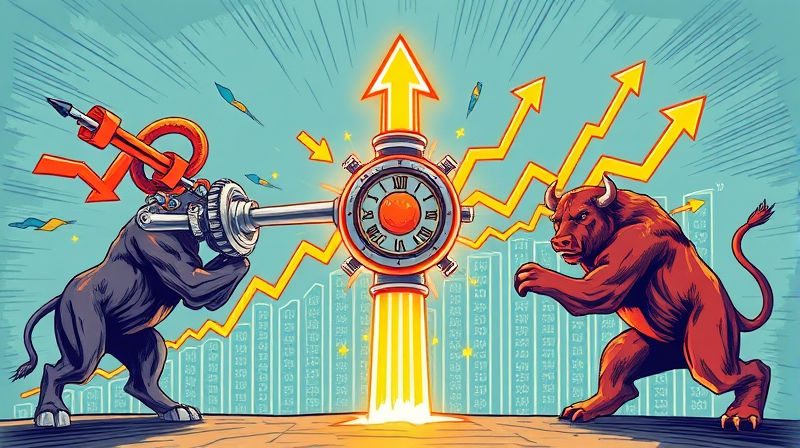
A famous maxim holds that in the short term, the market is a voting machine driven by herd behavior, while in the long term it becomes a weighing machine reflecting true business value. Contrarians blend insights from value investing but place special emphasis on sentiment extremes to identify when prices deviate from intrinsic worth.
Behavioral finance teaches us that investors are prone to herd behavior, loss aversion, and overreaction. These biases can drive prices far from fair value before ultimately correcting.
By recognizing these patterns, contrarians can anticipate temporary price dislocations and prepare to act when others hesitate.
Widespread fear manifests through sharp sell-offs, elevated volatility, and sensational headlines that stoke panic rather than reason.
During such periods, even fundamentally sound businesses can trade at steep discounts, presenting rare buying windows for disciplined investors.
Warren Buffett’s iconic advice, “Be fearful when others are greedy and greedy when others are fearful,” captures the contrarian ethos. When the crowd is selling indiscriminately, contrarians step in to acquire assets that offer asymmetric upside potential.
Deploying this strategy involves:
By committing capital at market troughs, contrarians often secure exceptional returns over time.
Contrarian methods range from classic deep-value plays to advanced option-based strategies that thrive in crisis.
Classic value plays include seeking out beaten-down stocks facing temporary headwinds, dividend-rich “Dogs of the Dow,” or companies emerging from bankruptcy. These names can be acquired at steep discounts when sentiment sours.
Advanced contrarian bets involve tail hedging, using options to profit from rare but severe downturns. Despite incurring small, steady losses from premium decay, successful tail hedges deliver explosive payoffs precisely when markets crash, providing fresh buying power at rock-bottom prices.
Not every cheap stock is a great buy. Contrarians must distinguish between temporary mispricing and genuine business deterioration.
By applying rigorous fundamental analysis, contrarians avoid value traps and target only those opportunities where the market’s pessimism exceeds reality.
Success against the grain requires an unshakeable mindset. Emotional discipline allows contrarians to act when fear peaks and resist hype during exuberant markets.
By focusing on long-term wealth building rather than daily fluctuations, investors can maintain conviction even when underperforming peers in the short run.
Contrarian investors understand that precise market timing is a fool’s errand. Instead, they harness disciplined habits like dollar-cost averaging to steadily build positions, while increasing allocations amid panic.
This hybrid approach blends the best of consistent contributions with opportunistic buying. It strikes a balance between time in the market and savvy adjustments, ensuring that capital is deployed when valuations are most attractive.
Contrarian investing is more than a strategy—it’s a way of seeing the world. It requires emotional resilience to thrive amid chaos, analytical rigor to separate true value from noise, and the courage to stand alone when others surrender to fear.
By mastering these principles, investors can transform market turmoil into their greatest ally, capturing opportunity when it seems most scarce and writing their own success stories.
Next time markets tremble and headlines scream doom, remember: fear can be your friend. In the crucible of panic, the contrarian discovers the seeds of future prosperity.
References