Search
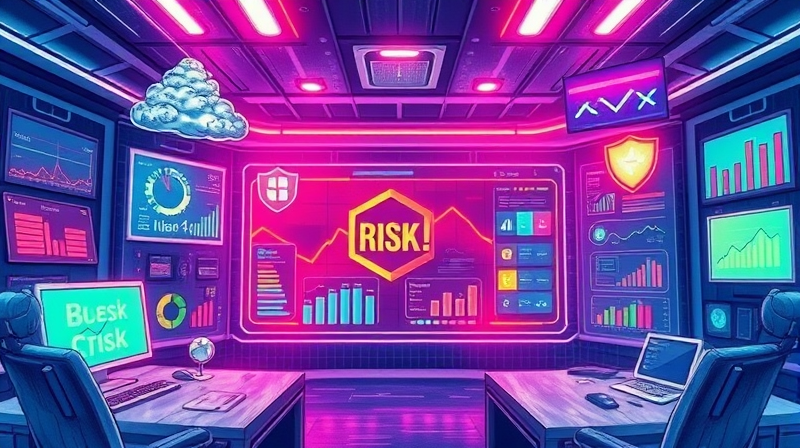
In an era defined by rapid market shifts, geopolitical tremors, and climate uncertainty, organizations face a daunting array of threats. Yet the same digital revolution that spawns these challenges also delivers unprecedented volumes of information. By harnessing the power of analytics, leaders can transform raw data into actionable insight, shifting from guesswork to precision.
Traditionally, risk decisions relied on experience, intuition and fragmented reports scattered across departments. Today, cloud computing and AI create a foundation for big data and advanced analytics, enabling teams to uncover hidden patterns and emerging threats. Businesses adopting this model move toward a proactive versus reactive risk posture, spotting vulnerabilities before incidents occur and allocating resources where they matter most.
Enterprise Risk Management (ERM) now embodies comprehensive and integrated approach to identifying, analyzing, managing, and monitoring risk. By weaving strategic, operational, financial, and reputational concerns into a single narrative, organizations gain clarity on overlapping exposures and interdependencies.
Risk analytics spans a spectrum of capabilities. Each stage builds on the previous one, enabling deeper understanding and smarter decisions.
At the predictive stage, organizations benefit from real-time monitoring and predictive models that anticipate cyber threats, equipment failures, and financial stress before they materialize. Prescriptive tools then recommend resource allocation, insurance coverage adjustments, or supply-chain diversification to fortify resilience.
Adopting analytics-driven risk management delivers profound shifts in approach and outcomes. By moving beyond static heatmaps and qualitative ratings, teams build dynamic models that evolve with the business landscape.
With continuous data integration, companies replace guesswork with measurable metrics like expected loss and Value-at-Risk, while dashboards illuminate trends at a glance. By embracing a culture of measurement, risk professionals can engage stakeholders with compelling visuals and clear numeric targets.
Analytics fuels breakthroughs in every domain of risk management. From boardroom scenarios to factory floors, data-driven insight helps teams anticipate threats and seize opportunities.
While analytics adds power and precision, proven frameworks still guide structured thinking. Integrating classical tools with modern data capabilities creates a robust toolkit for identifying and assessing uncertainties.
By combining text analytics on incident reports with predictive models, organizations can refine risk registers and tailor controls. Simulation tools then test mitigation options, yielding optimal mitigation strategies and trade-offs that balance cost and protection.
True transformation occurs when analytics becomes part of the decision-making DNA. Leaders must foster collaboration between data scientists, risk managers, and business units, ensuring insights translate into action. Real-world pilots, iterative improvements, and executive sponsorship accelerate adoption.
As data volumes grow and interdependencies deepen, organizations equipped with analytics will navigate uncertainty with confidence. By embedding risk insight at every level—from strategic planning to daily operations—they can safeguard assets, protect reputations, and capture new growth opportunities.
Now is the moment to move from data to decisions, embracing a future where every risk is visible, quantified, and managed with precision. Your journey starts today.
References