Search

In a world of constant change, identifying risks before they manifest is not just strategic—it’s essential for resilience and growth.
Before diving into processes, it is vital to distinguish foundational terms that underpin effective risk management.
Potentially damaging event refers to any hazard—natural or man-made—that could cause harm. Exposure is simply what is in harm’s way, including people, physical assets, digital infrastructure, or financial holdings. Vulnerability measures susceptibility to damage or disruption based on fragility or capacity limits. Finally, risk combines likelihood of hazard and impact, often modeled as Risk ≈ Hazard × Exposure × Vulnerability.
Risk identification is the systematic process of finding, describing and documenting potential threats to objectives. This critical stage precedes analysis and mapping, anchoring all subsequent efforts in clarity and focus.
Leading frameworks, such as SafetyCulture’s six-step approach, GARP’s action plan, and PMI’s PMBOK methodology, emphasize early, iterative engagement, diverse perspectives, and clear statements. Regardless of context—business, project, climate, or cybersecurity—the goal remains to capture every plausible risk scenario, understand its drivers, and outline affected assets.
To ensure no blind spots, deploy a variety of identification techniques that complement one another:
Once risks are identified, mapping their exposures and vulnerabilities gives shape and depth to your understanding. Visual maps drive clarity, reveal clusters of high risk, and guide resource allocation.
Geospatial tools can overlay hazard zones—such as floodplains or earthquake fault lines—against the locations of people, facilities, and critical infrastructure. In digital contexts, network diagrams and data-flow maps fulfill a similar role, showing where sensitive data and systems intersect with potential threats.
Identification and mapping are only the beginning. Early alignment of findings with organizational risk appetite ensures that no urgent threat goes unaddressed.
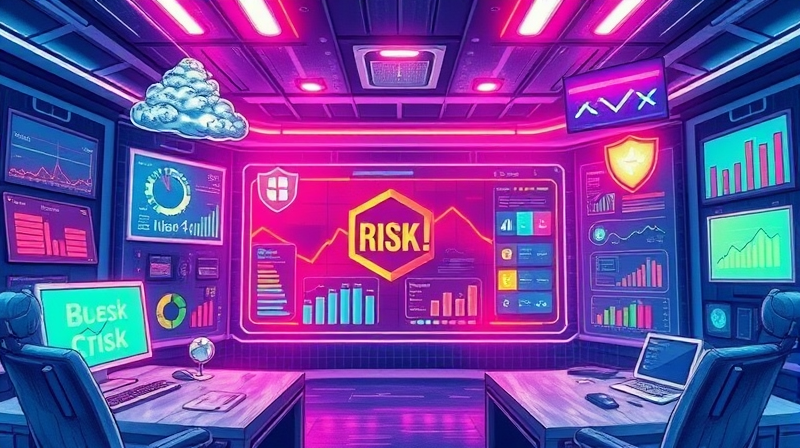
Establish key indicators and metrics—such as system downtime rates, traffic anomalies, or weather alerts—to build a robust early warning system. Dashboards displaying real-time data empower leaders to respond swiftly, minimizing impact and protecting both assets and reputation.
By integrating preventive controls at the identification stage, you create a “fortress” around your highest-risk areas. These controls might include redundancy measures, process redesign, employee training, or technological upgrades—each tailored to the nature and severity of the threat.
True resilience arises when risk identification becomes part of everyday thinking, not just a periodic exercise. Encourage open dialogue, share risk insights across teams, and celebrate examples where early detection averted crisis.
Developing a proactive mindset involves acknowledging uncertainty and embracing continuous improvement. When teams feel empowered to raise red flags, you unlock collective intelligence and foster a sense of shared responsibility.
Imagine a community where every stakeholder—from frontline workers to senior executives—contributes to a living map of exposures and vulnerabilities. Such collaboration transforms risk from a looming threat into a navigable challenge, fueling innovation and safeguarding the future.
Mapping your exposures through rigorous risk identification and visualization equips you with clear insights and decisive control. By combining proven frameworks, diverse techniques, and immersive mapping tools, you illuminate the blind spots that could imperil objectives.
Embrace the discipline of early detection, integrate your findings into agile decision-making, and cultivate a culture that sees risk management as a catalyst for strength. When you methodically map exposures and vulnerabilities, you not only protect what matters most—you unlock the potential to thrive amid uncertainty.
References