Search
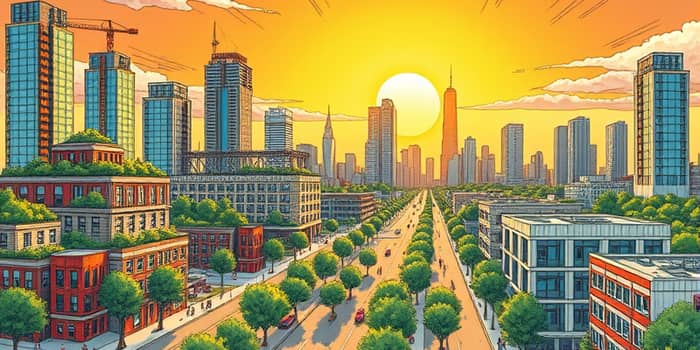
As cities swell and economies evolve, the future of real estate hangs in the balance. Urbanization is no longer just a demographic shift; it is the defining force reshaping markets, communities, and our built environment. From the winding streets of historic towns to the gleaming towers of new megacities, the opportunities—and challenges—for investors have never been more profound.
In this exploration, we journey through the trends, tensions, and transformative ideas that are rewriting the rules of real estate investment in 2026 and beyond.
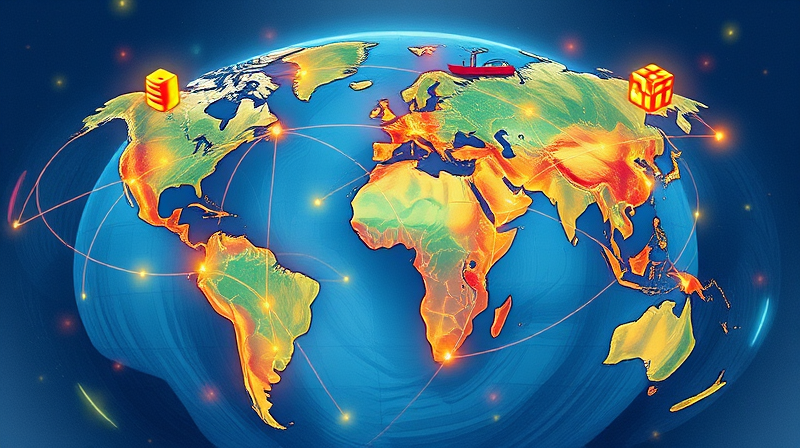
Today, roughly 45% of the global population resides in cities, more than double the share in 1950. By 2030, nearly 5 billion people will call urban areas home, according to UN projections. With rural growth plateauing, the world will gain almost 500 million urban residents in the next 15 years and an astonishing 2 billion by mid-century.
As cities expand, they have become the engines of prosperity. Over 80% of global gross national product is generated in urban areas, underscoring their role as the planet’s economic epicenters. Africa and Asia are the new frontiers, where rapid population growth and rising urbanization rates promise unparalleled demand for housing, commercial space, and infrastructure.
Rapid growth brings opportunity, but also stark inequality. Cities can be laboratories of innovation and prosperity, yet many harbor large informal settlements where millions live with inadequate access to basic services. From 1990 to 2020, the share of the urban population in slums dropped from 46% to 24%, but absolute numbers have climbed to about 1.1 billion people. Without intervention, another 2 billion could face slum-like conditions over the next three decades.
Urban sprawl compounds the problem. Land consumption has outpaced population growth, driving up infrastructure costs and carbon footprints. As wealthy households seek larger plots on city fringes, car dependence rises and communities fragment. Investors and planners must grapple with these dynamics to create equitable, efficient, and sustainable neighborhoods.
Climate change and security shocks are rewriting the script for urban planning. Heat waves, floods, and pollution demand adaptive solutions—green roofs, rain gardens, and dual-use infrastructure that can serve as shelters during crises. In war-torn regions, underground metros and parking garages are being designed as comfortable refuges, blending security with everyday livability.
The rise of the 15-minute city exemplifies the human-centric vision. By ensuring that housing, work, healthcare, education, food, and recreation are all within a short walk or bike ride, cities can foster social cohesion and reduce emissions. Coupled with smart technology—real-time data on transit, energy, and public spaces—this approach elevates inclusivity from aspiration to baseline expectation.
The global real estate asset base is projected to reach around US$624.6 trillion by 2026, while transactional flows hover near US$4 trillion annually. These figures highlight divergent lenses—asset valuation versus market revenue—but together they paint a picture of immense scale and liquidity.
In Q1 2026, US$216 billion in direct real estate transactions closed worldwide, an 18% year-over-year increase. Across major regions—North America, Europe, Asia-Pacific—annual volumes approached US$890 billion, up 17% from the prior year. Institutional investors, many still underweight on property allocations, are eyeing real estate as a beacon of yield in a high-volatility macro environment.
Geopolitical fragmentation—from trade tensions to regional conflicts—drives volatility, but also unlocks niches. Energy-autonomous “islands” and smart micro-districts blend green technology with digital connectivity. Investors willing to embrace complexity stand to profit from the cities of tomorrow.
Urbanization demands we reimagine real estate not as static buildings, but as dynamic ecosystems. Investors, developers, and policymakers must collaborate to balance growth with equity, resilience, and environmental stewardship. By championing human-centric design, leveraging smart technologies, and targeting the world’s fastest-growing regions, we can build vibrant, inclusive, and profitable urban landscapes.
Real estate reimagined is more than an investment strategy—it is a commitment to shaping cities that thrive in harmony with the people and planet they serve. The time to act is now.
References