Search
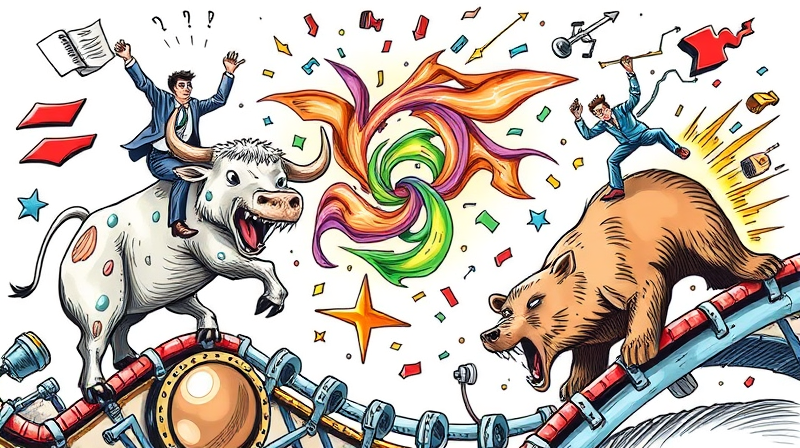
Market turning points are rarely driven by data alone; they emerge from human systems driven by emotions that push prices to extremes. Whether you’re standing at a euphoric peak or a despairing trough, the real story is written in collective sentiment. By understanding the emotional landscape behind these extremes, investors can navigate volatility with greater resilience and purpose.
Classical finance models assume rational actors and efficient markets, yet every major top and bottom tells a different tale. Behavioral finance reveals systematic irrationality around extremes, where fear, greed, regret, and hope dominate decisions. As John Templeton famously observed, “Bull markets are born on pessimism, grow on skepticism, mature on optimism, and die on euphoria.”
Barry Ritholtz adds clarity: “In a word: psychology. The turning points in markets reflect very different investor emotional states.” He reminds us that tops are a process, while bottoms are an event, highlighting how gradual shifts at the peak contrast with the sharp, violent reversals at the trough.
Investors move through a predictable series of emotions as markets cycle. Recognizing these stages can transform uncertainty into opportunity. From early optimism to final capitulation, each sentiment phase aligns with price trends.
Hyman Minsky described a cycle where stability breeds financial instability: extended calm encourages excessive risk-taking and leverage, culminating in a sudden Minsky moment and rapid deleveraging. This framework links directly to emotional peaks and troughs in market psychology.
Market tops unfold gradually, often without dramatic price drops. Instead, investors slip from greed into complacency and inaction. During this phase, many are more afraid of missing out than of losing capital. As Ritholtz notes, selling becomes a taboo: “In a bull market, selling is wrong,” reinforcing overconfidence and herd behavior.
Media headlines turn relentlessly bullish, retail participation peaks, and cautionary signals are rationalized away. What appears as a triumphant finale often hides a slow, eroding foundation of risk.
In stark contrast, market bottoms arrive as violent events. Panic selling, extreme volatility, and widespread capitulation mark the final throes of a decline. Emotions shift from concern to fear and ultimately to despair as many investors abandon hope.
Baring any fundamental catalyst, a swift rebound often follows capitulation, catching the fearful off guard. Despite bleak headlines, this inflection point can represent the greatest opportunity for those who recognize the pattern and maintain conviction.
Traditional market-cycle phases map closely to emotional stages. Understanding this alignment can clarify where you stand in any given trend.
While predicting tops and bottoms with precision is impossible, managing emotions is within reach. By cultivating self-awareness and a disciplined framework, investors can mitigate bias and position themselves for long-term success.
By recognizing the emotional forces at play, investors can navigate market extremes with confidence. Embrace the cycle, respect the psychology, and let disciplined behavior guide your journey through tops and bottoms alike.
References